The Great Shift South
How Population Growth is Reshaping Real Estate Across the Southeast
Blog
August 11, 2026
Blog
August 11, 2026
Real estate investors spend significant time analyzing interest rates, construction pipelines, and capital markets.
Those factors matter. But over longer periods, some of the most important shifts in real estate are driven by something more fundamental: where people choose to live and where businesses choose to operate.
Today, one of the most significant demographic shifts in the country continues to unfold across the Southeast.
Population growth throughout the Carolinas and neighboring states is expanding local economies, attracting employers, and creating new demand for the real estate and infrastructure that support growing communities.
The Southeast Continues to Gain Population
The South remains the fastest-growing region in the country. According to the U.S. Census Bureau, it accounted for more than 87% of U.S. population growth between 2023 and 2024.
North Carolina added more than 165,000 residents during that period, while South Carolina has consistently ranked among the country’s leaders in population growth and inbound migration.
That growth reflects a combination of factors, including employment opportunities, relative affordability, infrastructure investment, and favorable business environments.
And as populations grow, the needs of local economies grow with them.
Growth Creates a Broader Economic Ecosystem
New residents need housing, healthcare, restaurants, retail, schools, and services. The businesses serving them need employees, equipment, inventory, contractors, suppliers, and space from which to operate.
That creates demand across multiple types of commercial real estate.
But the impact is not always immediate – or evenly distributed.
In fast-growing markets, opportunities can emerge where population and business activity are expanding faster than the existing real estate infrastructure can adapt.
That dynamic can be particularly meaningful in secondary and tertiary markets, where relatively modest increases in demand can have an outsized impact on occupancy, rents, and available supply.
Businesses Are Following the Growth
Population migration is only part of the Southeast’s story.
The region has also attracted significant investment in manufacturing, automotive production, life sciences, logistics, and technology. That investment creates jobs, attracts additional residents, and brings with it networks of suppliers and service providers.
The result can be a reinforcing cycle: population growth supports business expansion, while employment growth attracts additional residents.
We see different versions of that dynamic across the Carolinas.
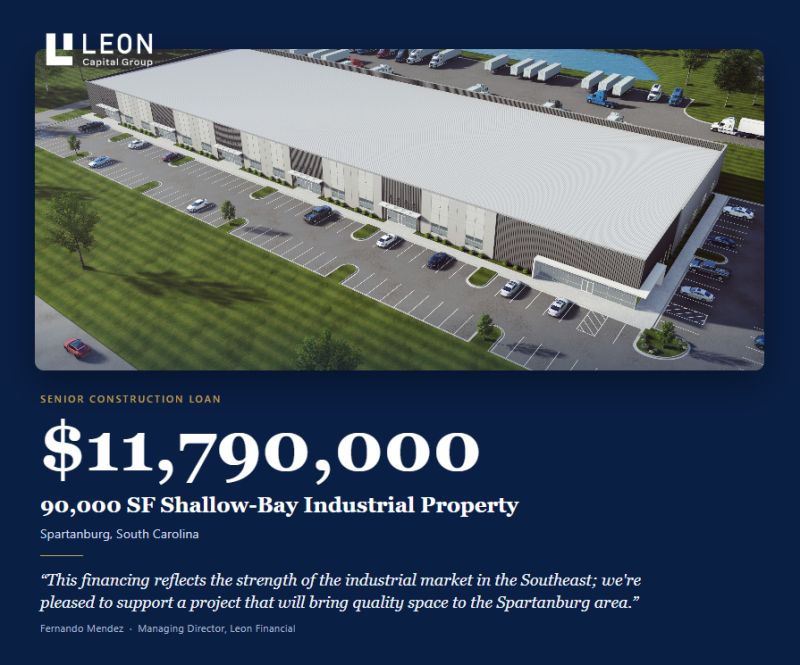
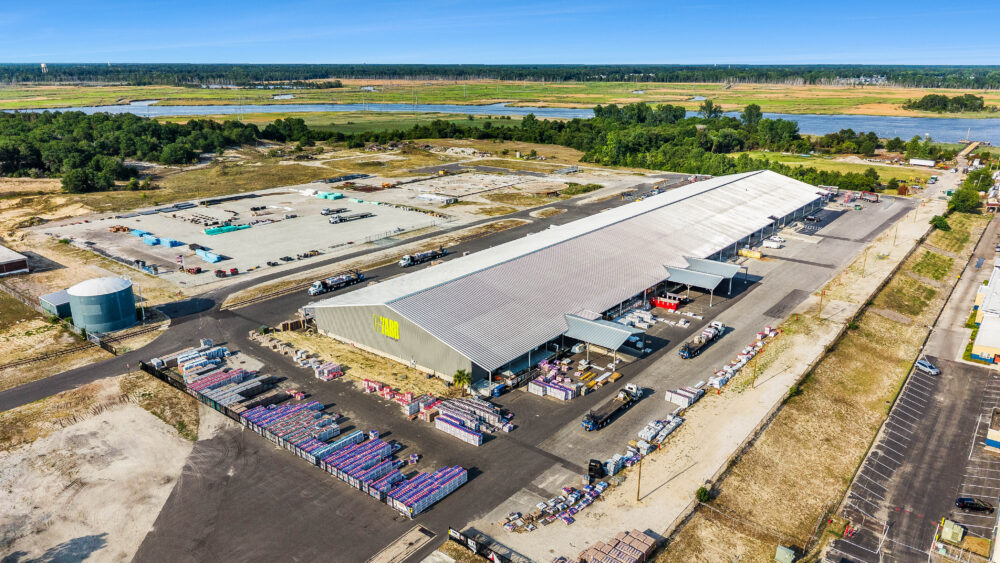
Greenville/Spartanburg benefits from an established manufacturing and supplier ecosystem that continues to attract investment. Wilmington’s rapid population growth is expanding a smaller market where commercial and industrial inventory remains relatively limited.
Different drivers, but a similar underlying dynamic: expanding local economies require additional real estate to support them.
Why Industrial Stands Out
Population growth supports nearly every property type, but industrial real estate has a particularly direct relationship to expanding local economies.
More residents mean more goods moving through a market. More businesses mean more equipment, inventory, suppliers, contractors, and service providers.
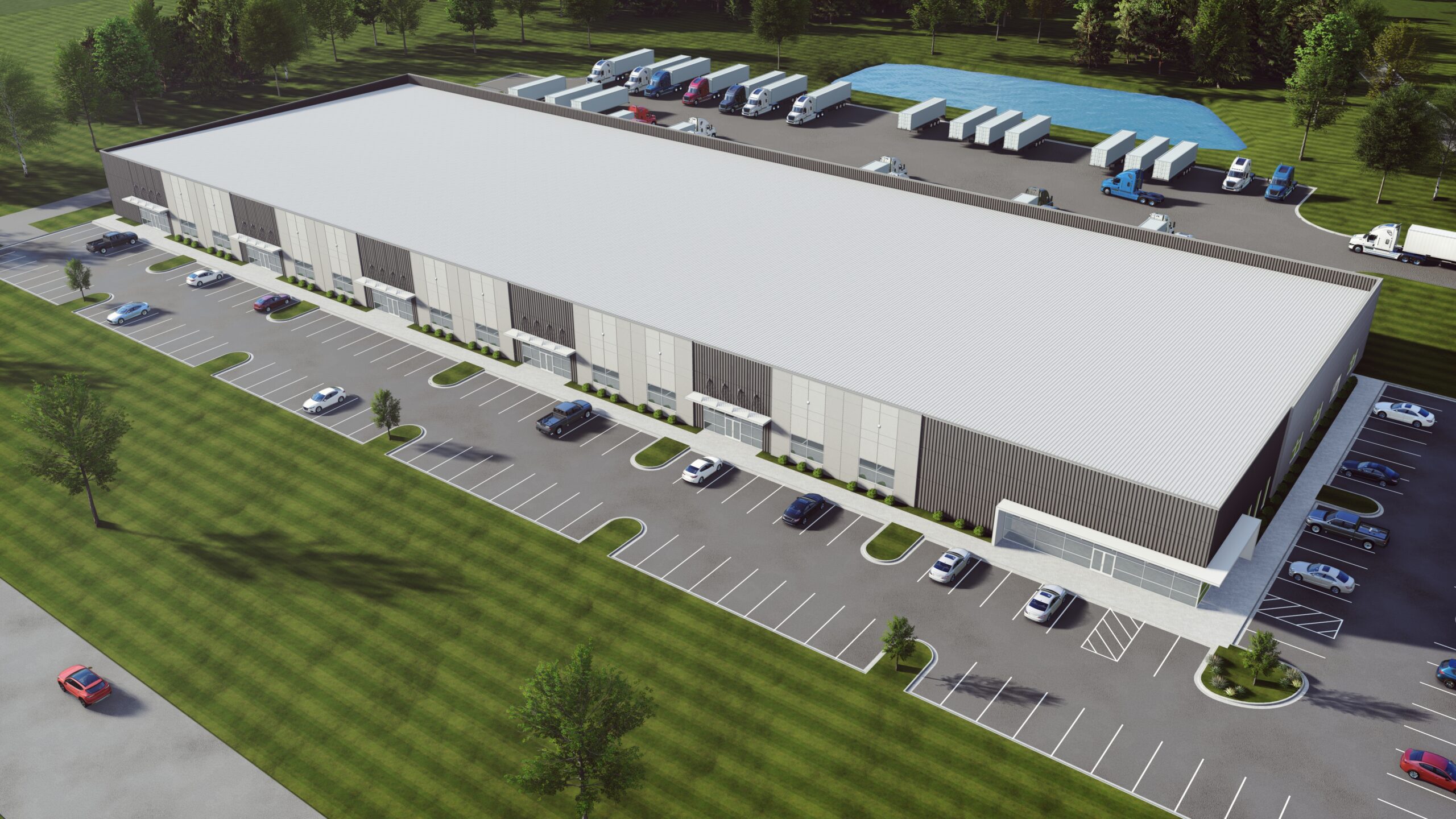
Many of those users don’t require massive distribution centers. They need practical, well-located facilities that allow them to operate close to customers and employees.
At the same time, the infrastructure supporting these markets continues to expand. Investments in ports, highways, airports, utilities, and transportation networks are improving connectivity between population centers and making previously overlooked markets more viable for businesses.
For industrial investors, the intersection of these trends matters: population growth, business investment, infrastructure, and existing supply all influence where demand is likely to be most durable.
Looking Beyond the Current Cycle
Interest rates will change. Capital markets will tighten and loosen. Development pipelines will expand and contract.
Population and employment trends tend to move more gradually – and their impact can compound over time.
Across the Southeast, continued growth is reshaping local economies and creating new patterns of real estate demand.
For investors, the opportunity isn’t simply to identify which markets are growing. It’s to understand what that growth requires, where existing supply may fall short, and which assets are positioned to benefit.
Those are the dynamics we continue to watch closely across Treeline’s markets.